Aging at Home: How the Right Support Protects Independence
COMFORT KEEPERS MN
For more information about the author, click to view their website: Comfort Keepers
Sep 09, 2026
Minnesota - Twin Cities Metro Area

Email US
Click to Email Us
Learn how personalized in-home care can help Minnesota seniors stay safe, connected and independent while continuing to live in the homes they love. For many older adults, home is more than four walls and an address. It is the place where children were raised, holidays were celebrated, neighbors became friends and familiar routines were built over many years.
That is why the idea of leaving home can be difficult, even when everyday tasks are starting to become a little harder.
The good news is that needing help does not automatically mean a senior has to move. With the right support, many older adults are able to remain in their own homes safely and comfortably while continuing to make their own choices and live life on their terms.
For families in Osseo, Maple Grove, Plymouth, Brooklyn Park and surrounding northwest Twin Cities communities, in-home care can provide that extra layer of support.
Independence Can Look Different as We Age
We often think of independence as doing everything ourselves.
But as we get older, independence may simply mean being able to stay involved in the decisions that matter.
Maybe Mom still enjoys choosing her own meals, but standing at the kitchen counter for an hour has become tiring. Dad may still want to run errands and visit friends, but he no longer feels comfortable driving.
A little help can fill those gaps.
Someone might assist with meal preparation, transportation, light household tasks or personal care while still encouraging the older adult to participate as much as possible.
That approach can preserve a person's confidence instead of taking over.
Comfort Keepers calls this Interactive Caregiving™, which focuses on keeping seniors engaged in their own lives rather than simply doing everything for them.
That might mean preparing lunch together, taking a short walk, folding laundry while visiting or heading out for an afternoon errand.
These may seem like small things, but they can help an older adult continue to feel useful, involved and connected.
Often, Families Notice the Little Things First
There usually isn't one moment when a family suddenly knows that a parent needs help.
More often, it happens gradually.
Perhaps the refrigerator isn't as well stocked as it used to be. Mom seems to be eating cereal for dinner more often. Dad has stopped going to the coffee shop because driving feels stressful.
You may notice unopened mail, laundry piling up or appointments being missed.
Maybe the house just doesn't look quite the way it normally does.
None of these things necessarily mean that a senior can no longer live alone. They may simply be signs that certain parts of everyday life have become more difficult.
And that is often the best time to talk about help — before there is a fall, hospitalization or other crisis.
Home Care Can Start Small
One of the things families sometimes misunderstand about home care is that it does not have to begin with someone in the house all day.
Some older adults may only need a few hours of help each week.
Maybe a caregiver stops by to help with groceries, prepare a few meals and spend some time visiting.
Someone else may need help with bathing, dressing and getting ready for the day.
Needs can also change over time.
A person who begins with occasional companionship may later benefit from more regular assistance. Another senior may only need short-term help after surgery or a hospital stay.
The goal is to find the amount of support that makes sense for that particular person.
Companionship Matters More Than We Sometimes Realize
One of the biggest challenges of aging at home can be loneliness.
As people get older, their social circles may become smaller. A spouse may pass away. Friends may move. Driving may become more difficult. Health issues can make it harder to get out.
Before long, days that used to be filled with people and activities can become very quiet.
That is one reason companionship is such an important part of home care.
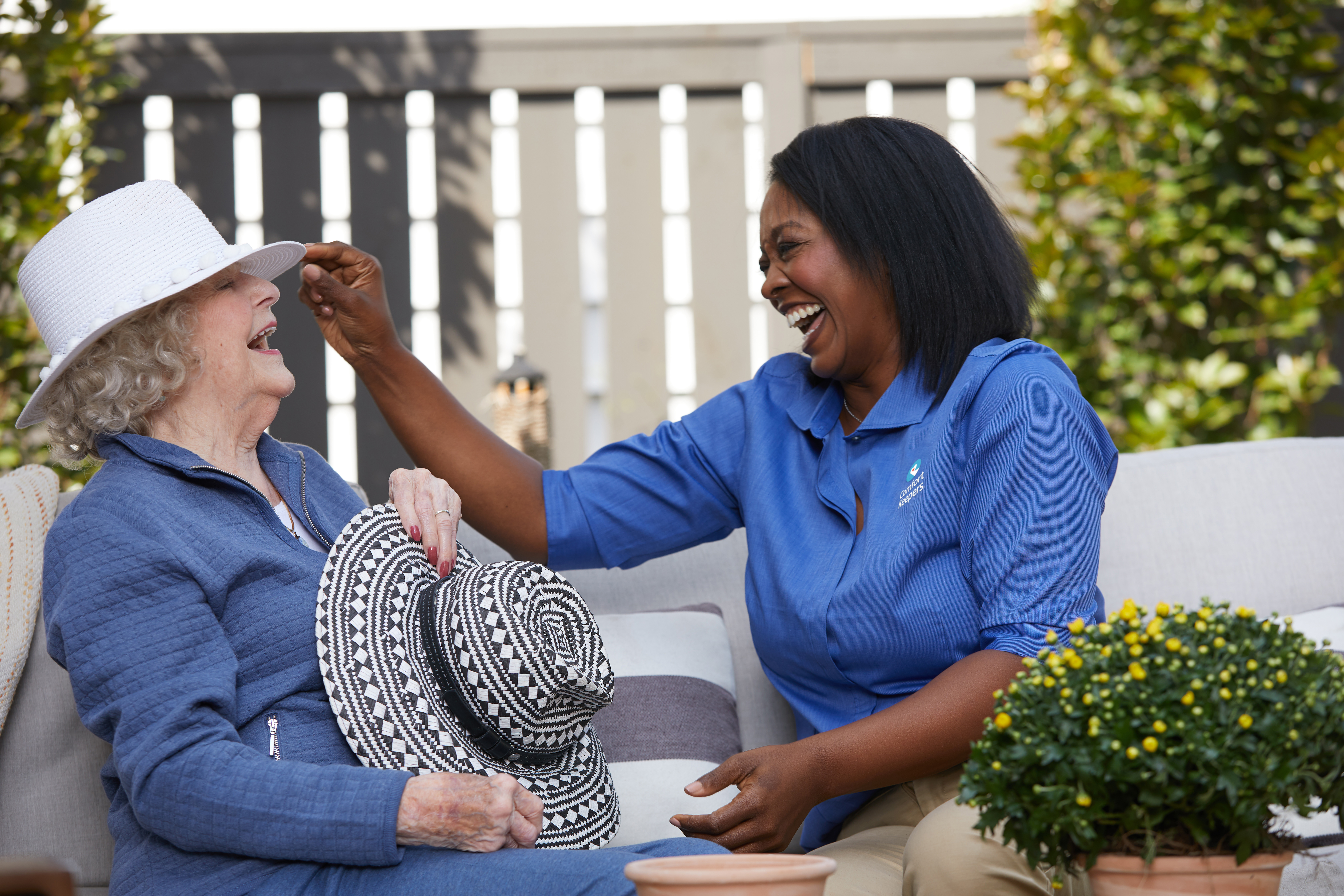
A caregiver might share coffee and conversation, take a walk together, look through family photos, play cards or simply sit and talk.
Those interactions can mean a great deal, especially for someone who lives alone.
For adult children who live across town — or across the country — it can also bring peace of mind knowing that someone is regularly checking in and spending meaningful time with Mom or Dad.
Familiar Surroundings Can Be Comforting
There is something reassuring about waking up in your own bedroom and knowing exactly where everything is.
For older adults, familiar surroundings can provide a sense of stability that is difficult to replace.
Their favorite chair is there.
The neighbor they have known for 20 years is next door.
The family pictures are on the walls.
For someone experiencing memory changes, that familiarity can be especially comforting.
Home care allows an older adult to stay in the environment they know while receiving additional support with the things that have become challenging.
Home Care Can Help the Whole Family
When a parent begins needing help, adult children often step in without thinking twice.
At first, it may be picking up groceries or driving to a doctor appointment.
Then there are meals, medications, laundry, household chores and more frequent visits.
Over time, one family member can find themselves carrying most of the responsibility.
Professional home care can take some of that pressure off.
It does not replace family involvement. It can actually make family time better.
Instead of spending every visit cleaning the house or running errands, an adult daughter may finally have time to sit and have lunch with her mother. A son can visit his father without feeling like every conversation is about what still needs to be done.
Sometimes that shift alone can help families feel like families again.
The Right Support Should Feel Personal
No two seniors need exactly the same kind of help.
One person may need transportation and companionship.
Another may need assistance with bathing and meals.
Someone else may need more extensive support throughout the day.
That is why in-home care should be built around the individual rather than forcing every client into the same routine.
Comfort Keepers of Osseo provides personalized care based on each person's needs, preferences and daily habits.
For older adults throughout Osseo, Maple Grove, Plymouth, Brooklyn Park and nearby communities, the right support can make staying at home more realistic and more comfortable.
Aging at home is not about proving you can do everything by yourself.
Sometimes, the most independent choice a person can make is accepting just enough help to continue living the life they want.
Frequently Asked Questions
What does aging in place mean?
Aging in place generally means continuing to live in your own home or chosen residence as you get older, even if you begin needing some additional support.
Can home care start with just a few hours a week?
Yes. Care plans can often be designed around the individual's needs and may begin with limited assistance.
What can an in-home caregiver help with?
Depending on the care plan, assistance may include companionship, meal preparation, transportation, personal care, mobility support and everyday household routines.
Can care increase if a senior's needs change?
Yes. Home-care needs can be reassessed as circumstances change.
How do families learn more about care options?
Families can contact Comfort Keepers of Osseo to discuss their specific situation and the type of support that may be appropriate. Call us today at
(763) 273-4207.

Other Articles You May Like
Choosing Trusted In-Home Senior Care in Daphne, AL
Finding the right caregiver for an aging loved one is an important decision. Families want someone who can provide practical assistance while respecting the older adult's independence, personality, and familiar routines.For many seniors, home represents comfort, stability, and a lifetime of memories. A favorite chair, familiar neighborhood, and daily habits can make a meaningful difference in how comfortable someone feels.However, as people age, certain activities may become more challenging.An older parent may need help preparing meals or managing household responsibilities. Another individual may require assistance with bathing, grooming, or dressing. Someone living alone may benefit from companionship and transportation to appointments.When these changes occur, families often begin exploring professional home care.For residents in Daphne, Alabama, non-medical home care provides an option for receiving personalized assistance while remaining in familiar surroundings.Non-medical home care helps older adults manage everyday activities through companionship, personal assistance, household support, and other services that do not ordinarily require skilled medical treatment.The goal is to provide the right amount of assistance while helping individuals maintain dignity, independence, and meaningful daily routines.Angels by Visiting Angels Daphne, operating as Visiting Angels Coastal Alabama, provides personalized in-home senior care throughout Baldwin County and the greater Mobile area.The agency offers companion care, personal care, Alzheimer's and dementia support, respite care, end-of-life support, hospital-to-home assistance, and flexible care schedules.For families considering professional caregiving, understanding what to look for in a home care provider can help make the decision more manageable.Understanding Non-Medical Home CareNon-medical home care provides assistance with daily responsibilities that may become difficult because of aging, illness, disability, or reduced mobility.Unlike skilled home health services, non-medical care focuses primarily on everyday activities rather than clinical treatments.Common Non-Medical Home Care ServicesThese may include:Bathing and grooming assistanceDressingToileting assistanceMeal preparationLight housekeepingLaundryGrocery shoppingTransportationMedication remindersCompanionshipMobility-related assistanceRespite careSupport with familiar daily routinesServices are individualized according to the person's needs and the caregiver's training.Non-medical caregivers do not replace physicians, nurses, rehabilitation therapists, or other licensed healthcare professionals when medical treatment is required.When Should Families Consider In-Home Care?There is no single age or health condition that determines when someone should begin receiving home care.The decision often develops as families notice changes in everyday functioning.Difficulty Managing Personal CareBathing, grooming, dressing, and toileting may become challenging.Increasing Household ResponsibilitiesAn older adult may struggle to maintain a clean home or prepare meals regularly.Transportation ChallengesSomeone who no longer drives may need help attending appointments or completing errands.Social IsolationLiving alone may reduce opportunities for meaningful interaction.Memory ChangesSome individuals need additional assistance because of Alzheimer's disease or another form of dementia.Family Caregiver LimitationsRelatives may be unable to provide assistance during every part of the day.Recovery After HospitalizationTemporary non-medical support may be useful while an individual regains strength and independence.Recognizing these needs early can help families explore available services before a situation becomes urgent.Angels by Visiting Angels DaphneVisiting Angels Coastal Alabama is a locally owned and operated senior home care agency serving Daphne, Baldwin County, and the greater Mobile area.The agency provides one-on-one non-medical assistance tailored to each individual's needs, preferences, and schedule.Its approach emphasizes respectful caregiving, personal independence, and helping older adults remain involved in their daily lives.Companion CareCaregivers provide conversation, shared activities, and assistance maintaining social connections.Personal CareThe agency offers assistance with bathing, grooming, dressing, toileting, and mobility-related routines.Meal PreparationCaregivers may help with grocery shopping, meal planning, and preparation.Light HousekeepingSupport may include selected cleaning, laundry, and organization tasks.TransportationCaregivers can assist with appropriate appointments, errands, and activities.Dementia CareVisiting Angels offers non-medical assistance for individuals living with Alzheimer's disease or other forms of dementia.Respite CareFamilies may arrange temporary assistance when their usual caregiver needs a break.Hospital-to-Home SupportThe agency provides transitional assistance through its Ready-Set-Go Home program.Flexible SchedulingCare arrangements may include occasional visits, regular daily assistance, overnight care, or extended support.Verified Visiting Angels Daphne Contact InformationAngels by Visiting Angels DaphneOfficial Business Name: Visiting Angels Coastal AlabamaAddress: 25369 US Highway 98, Suite A, Daphne, AL 36526County: Baldwin County, AlabamaPhone: 251-517-9700Families should confirm current caregiver availability, service rates, and the exact location where care is needed.What Makes a Good In-Home Caregiver?Choosing a home care agency involves more than reviewing the list of services.Families should also consider caregiver experience, training, communication, and compatibility.ReliabilityA caregiver should arrive according to the agreed schedule and communicate appropriately.RespectProfessional caregivers should treat older adults with dignity.PatienceSome daily activities require additional time or reassurance.CommunicationCaregivers should understand the individual's needs and provide appropriate updates.ExperienceRelevant experience may be helpful when supporting someone with mobility limitations or memory changes.Personal CompatibilityShared interests and compatible personalities may improve the caregiving relationship.AdaptabilityThe caregiver should understand how to respond when daily routines or support needs change.Visiting Angels Coastal Alabama emphasizes careful caregiver selection and personalized matching.How Visiting Angels Selects CaregiversIntroducing a professional caregiver into the home can feel unfamiliar.Families may worry about safety, trust, personality differences, or whether the caregiver will understand their loved one's preferences.Visiting Angels Coastal Alabama describes a caregiver selection process focused on both qualifications and personal characteristics.Background ChecksThe agency advertises comprehensive caregiver background screening.Experience and TrainingApplicants are evaluated for appropriate caregiving experience and skills.Personal QualitiesThe agency considers patience, reliability, and suitability for caregiving responsibilities.Ongoing TrainingVisiting Angels describes continued professional development for caregivers.Client PreferencesFamilies can discuss personality and scheduling preferences.Individual MatchingThe agency works to pair caregivers with clients according to their needs.Family FeedbackFamilies should ask how concerns or requests for a different caregiver are handled.A good match can help establish a more comfortable and consistent care experience.Personalized Care Plans That Respect IndependenceEvery older adult has different abilities and preferences.One individual may need assistance with housekeeping but remain independent with bathing and dressing.Another may need regular personal care but continue enjoying hobbies and social activities.Initial AssessmentVisiting Angels begins by discussing the individual's daily needs.Personal PreferencesThe care plan considers established routines and interests.SchedulingFamilies can discuss preferred days, times, and visit frequency.Specific ServicesCare responsibilities are selected according to the assessment.Caregiver CompatibilityThe agency considers appropriate caregiver matching.Changes Over TimeThe plan can be modified as circumstances evolve.Family ParticipationAuthorized relatives may help communicate concerns and preferences.The purpose of a personalized plan is to provide assistance where needed without unnecessarily limiting independence.Companionship and Meaningful Daily ActivitiesSome older adults manage personal care well but spend much of the day alone.Regular companionship may provide opportunities for conversation and enjoyable activities.Shared ConversationCaregivers can discuss family memories, hobbies, or everyday interests.Recreational ActivitiesA caregiver may participate in games, reading, crafts, or other suitable activities.MusicListening to favorite music may provide enjoyment.Social CommunicationSome individuals need assistance making telephone or video calls.Community OutingsCaregivers may help with appropriate visits or recreational activities.Familiar InterestsActivities can be selected based on what the individual enjoys.Personal ChoiceCompanionship should reflect the older adult's preferences rather than impose a fixed activity schedule.Personal Care With Respect and DignityPersonal care assistance can be especially important when physical limitations affect everyday routines.Visiting Angels Coastal Alabama provides assistance with several activities of daily living.BathingCaregivers may help individuals maintain appropriate hygiene according to the care plan.DressingSome people need assistance putting on clothing or managing buttons and fasteners.GroomingCare may include support with brushing hair and other personal routines.ToiletingThe agency advertises assistance with toileting needs.MobilityCaregivers may provide appropriate walking or transfer assistance.PrivacyPersonal care should respect the individual's comfort and preferences.Caregiver ResponsibilitiesFamilies should clarify which tasks are included and whether any requested assistance requires licensed medical personnel.Alzheimer's and Dementia Support at HomeAlzheimer's disease and other forms of dementia can affect memory, judgment, communication, and daily activities.Some families choose to provide care at home with professional assistance.Visiting Angels Coastal Alabama advertises Alzheimer's care and dementia care.Familiar SurroundingsRemaining in a familiar environment may help support established routines.Structured ActivitiesCaregivers can follow appropriate daily schedules.Personal CareIndividuals may require help with bathing, dressing, and meals.CompanionshipMeaningful activities can reflect the person's interests and abilities.CommunicationCaregivers may adapt communication to the individual's needs.Family InvolvementRelatives can provide information about personal history and preferences.ReassessmentCare requirements may change as the condition progresses.Non-medical dementia assistance does not replace medical evaluation or specialized residential care when more extensive supervision becomes necessary.Respite Care for Family CaregiversFamily caregiving can require substantial time and energy.Some relatives balance caregiving with employment, parenting, or other responsibilities.Respite care provides temporary assistance from a professional caregiver.When Respite May Be UsefulFamilies may arrange respite during:Work commitmentsPersonal medical appointmentsFamily responsibilitiesPlanned travelRest periodsChanges in the usual caregiving scheduleMaintaining Familiar RoutinesThe substitute caregiver should receive relevant instructions.SchedulingFamilies should confirm the required notice and minimum visit duration.Personal Care NeedsThe agency should understand which tasks must be completed.Family CommunicationAgree on who should receive updates.Continued SupportRespite can be arranged periodically when available.Hospital-to-Home AssistanceReturning home after hospitalization can create new practical challenges.Some individuals are medically ready for discharge but still need help with everyday activities.Visiting Angels offers its Ready-Set-Go Home program for non-medical transition support.Common Post-Hospital NeedsThese may include:Meal preparationBathing and dressingLight housekeepingTransportationGrocery shoppingCompanionshipMedication remindersAssistance maintaining daily routinesUnderstanding Medical NeedsSkilled nursing, wound care, injections, and rehabilitation must be provided by appropriately qualified professionals.Reviewing Discharge InstructionsFamilies should understand follow-up appointments and activity restrictions.Coordinating ResponsibilitiesHome care can complement prescribed medical services.Adjusting SupportVisit frequency may change as recovery progresses.Fall Prevention and Home SafetyFalls are an important concern for many older adults.Visiting Angels Coastal Alabama advertises fall prevention as part of its home care services.Clear WalkwaysReducing household clutter can help address certain hazards.Appropriate LightingWell-lit living spaces may make movement easier.Mobility AssistanceSome individuals need help walking or transferring.Bathroom ConcernsProfessional guidance may be necessary when accessibility equipment is considered.FootwearSuitable footwear may support safer movement.Medical FactorsVision problems, medication effects, dizziness, and muscle weakness can contribute to falls.Professional EvaluationIndividuals with repeated falls or new balance difficulties should receive appropriate medical assessment.Non-medical home care can support daily safety routines but cannot eliminate the risk of falling.Why Home Care Matters in Baldwin CountyDaphne and surrounding Baldwin County communities include older adults who value remaining close to family, friends, and familiar neighborhoods.Aging in PlaceNon-medical assistance may help some individuals continue living at home.Family SupportProfessional caregivers can complement assistance provided by relatives.TransportationSome seniors need help traveling to appointments or community activities.Household ResponsibilitiesMeal preparation, laundry, and light housekeeping may become physically demanding.Social RelationshipsCompanionship can provide opportunities for interaction.Flexible CareSchedules may be adjusted as needs change.Severe Weather PreparednessGulf Coast households should maintain emergency contact information, transportation arrangements, and backup care plans during hurricane season.Families should discuss how caregiver visits may be affected by major weather disruptions.Understanding Home Care CostsNon-medical home care expenses depend on the requested services and visit schedule.Visiting Angels Coastal Alabama does not publish one universal price for all care arrangements.Common Pricing FactorsThese may include:Number of hoursFrequency of visitsPersonal care requirementsOvernight assistanceWeekend or holiday schedulesExtended caregivingSpecialized non-medical supportPrivate PaymentMany families pay directly for non-medical home care.Long-Term Care InsuranceSome policies cover qualifying services.Veterans BenefitsCertain eligible veterans may qualify for assistance through applicable programs.Original MedicareOriginal Medicare generally does not cover ongoing companion or custodial care when that is the only service needed.Request Written PricingAsk for a detailed estimate, including minimum visit requirements and additional charges.Expert Tip for Choosing an In-Home CaregiverExpert Tip: During a home care consultation, describe the older adult's personality and daily routine, not just the tasks requiring assistance.Share favorite activities, preferred meal times, communication preferences, and any concerns about accepting outside help.A caregiver who understands these details may be better prepared to develop a comfortable relationship while providing appropriate assistance.How to Get Started With Visiting Angels Coastal AlabamaStep 1: Identify Current NeedsReview personal care, companionship, meals, transportation, and household responsibilities.Step 2: Contact Visiting AngelsCall 251-517-9700.Step 3: Request a Free ConsultationThe agency advertises a no-obligation home care consultation.Step 4: Discuss Personal PreferencesShare daily routines, interests, and relevant care needs.Step 5: Review Caregiver MatchingAsk how caregivers are selected for individual clients.Step 6: Establish a ScheduleDiscuss days, hours, and visit frequency.Step 7: Review Written CostsConfirm rates, minimum hours, and service terms.Step 8: Begin and Reassess CareMaintain communication and update the care plan when needs change.Frequently Asked Questions About Visiting Angels in Daphne1. What services does Visiting Angels Coastal Alabama provide?Visiting Angels offers non-medical companion care, personal assistance, meal preparation, light housekeeping, transportation, respite care, dementia support, hospital-to-home assistance, and other individualized caregiving services.2. Where is Visiting Angels Daphne located?The office is located at 25369 US Highway 98, Suite A, Daphne, AL 36526. The telephone number is 251-517-9700.3. Does Visiting Angels serve other communities in Baldwin County?Yes. The agency serves Daphne, Fairhope, Spanish Fort, Gulf Shores, Orange Beach, Bay Minette, and other Baldwin County communities, as well as the greater Mobile area. Exact coverage should be confirmed.4. Can Visiting Angels provide overnight or weekend care?Yes. The agency advertises flexible scheduling, including overnight, weekend, holiday, and extended care arrangements. Availability depends on individual needs and staffing.5. Does Visiting Angels provide free home care consultations?Yes. Visiting Angels Coastal Alabama advertises a free, no-obligation consultation to discuss the individual's needs, preferences, and appropriate care arrangements.Choose Home Care That Respects IndependenceProfessional home care can provide valuable assistance when everyday activities become more challenging.For many older adults, the most important goal is not simply receiving help. It is continuing to enjoy familiar surroundings, maintain relationships, and participate in meaningful daily routines.Visiting Angels Coastal Alabama provides personalized non-medical home care for older adults and families throughout Daphne, Baldwin County, and the greater Mobile area.Its services include companionship, personal care, dementia support, respite care, transportation, and hospital-to-home assistance.The agency's emphasis on caregiver selection, personalized schedules, and individualized care planning can help families explore arrangements suited to their circumstances.Contact Visiting Angels Coastal Alabama to discuss your loved one's needs and request a free home care consultation.Find Visiting Angels Coastal Alabama on Seniors Blue BookLooking for trusted non-medical home care in Daphne, Alabama?Explore Angels by Visiting Angels Daphne through Seniors Blue Book.Learn about personalized companionship, daily living assistance, respite care, dementia support, and flexible caregiver arrangements.Contact Visiting Angels Coastal Alabama at 251-517-9700 to request a free consultation and discuss your family's home care needs.
Creating a Personalized Home Care Routine in Mobile, AL
For many older adults, the comfort of home comes from familiar details. A favorite chair, a morning cup of coffee, regular telephone calls with family, and ordinary household routines can make everyday life feel predictable and meaningful.When additional assistance becomes necessary, families often want to preserve as much of that familiarity as possible.An older parent may begin needing help preparing meals but still enjoy choosing groceries. Another individual may have difficulty dressing or bathing but remain capable of making independent decisions. Someone living alone may benefit from companionship and transportation while managing most personal responsibilities.These situations demonstrate why home care should be built around the individual rather than a standard checklist.For families in Mobile, Alabama, personalized non-medical home care can provide practical assistance while respecting independence and personal preferences.Non-medical home care helps older adults manage everyday responsibilities through companionship, personal assistance, homemaking, transportation, and other supportive services.The right arrangement should account for physical abilities, household routines, family availability, and changing care needs.AMT Homecare, a locally owned home care provider serving Mobile and Baldwin Counties, offers individualized caregiving designed to support older adults in familiar surroundings.Its services include companion care, personal care, respite assistance, transportation, medication-related reminders, and flexible care arrangements.For Mobile County families, developing a thoughtful care routine can help make caregiving responsibilities more organized and sustainable.What Is Non-Medical Home Care?Non-medical home care involves assistance with activities that do not ordinarily require licensed medical treatment.Services are typically provided in the individual's home.Common ResponsibilitiesDepending on the provider and care plan, these may include:Companionship and conversationHelp with bathing and dressingGrooming assistanceMeal preparationLight housekeepingTransportationShopping and errandsMedication remindersMobility-related assistanceRespite for family caregiversHelp maintaining daily routinesThe specific services depend on the person's needs and the provider's qualifications.Non-medical home care is distinct from skilled nursing, which involves clinical assessment and treatments performed by appropriately licensed professionals.AMT Homecare in MobileAMT Homecare provides individualized home care for older adults and families throughout the Alabama Gulf Coast.The company describes itself as locally owned and family focused.Its care philosophy emphasizes understanding each person's routines, preferences, and personality before establishing a support plan.Companion CareCaregivers may provide conversation, shared activities, and assistance with ordinary household routines.Personal CareThe company advertises help with hygiene, dressing, grooming, mobility, feeding, and toileting.Respite CareTemporary support may help family caregivers attend to other responsibilities.TransportationCaregivers may assist with approved errands, appointments, and community activities.Household AssistanceServices may include meal preparation and selected household tasks.Memory-Related SupportAMT advertises Alzheimer's and dementia care services.Flexible SchedulingThe agency describes hourly, daily, and longer-term assistance arrangements.CommunicationFamily updates and daily activity summaries are among its advertised services.Verified AMT Homecare Contact InformationAMT HomecareAddress: 6157 Airport Boulevard, Plaza de Malaga 109, Mobile, AL 36608County: Mobile County, AlabamaPhone: 205-506-0078Some of the company's broader marketing mentions clinical services. Families should confirm any requested medical service, professional licensure, and agency capabilities separately rather than assuming that a non-medical caregiver can perform skilled nursing procedures.Building Care Around Familiar Daily RoutinesAn effective home care plan starts by learning how the individual prefers to spend each day.Morning RoutinesSome people like to get dressed and have breakfast early. Others prefer a slower start.MealtimesFavorite foods, dietary needs, and meal schedules may influence the plan.Personal ActivitiesReading, gardening, music, television programs, and other interests may remain important.Social ConnectionsCaregivers may assist with appropriate visits, telephone calls, or outings.Evening PreferencesSome individuals benefit from assistance preparing meals, getting ready for bed, or completing approved household tasks.Personal ChoiceCare plans should preserve the older adult's independence wherever appropriate.The caregiver's responsibility is to provide assistance, not unnecessarily take control of activities the individual can still manage.Determining How Much Assistance Is NeededNot every older adult requires the same schedule.Some individuals need occasional help with shopping and housework.Others require regular personal assistance.Occasional VisitsA few scheduled visits may address companionship or household responsibilities.Daily AssistanceMore frequent care may be suitable when routine tasks have become difficult.Respite SchedulingFamilies may arrange assistance during work obligations or planned time away.Extended AssistanceSome households need longer visits or multiple caregivers across the day.ReassessmentThe schedule should be reviewed when health, mobility, or family circumstances change.Understanding CostsMore hours and specialized assistance may increase total care expenses.AMT Homecare offers flexible arrangements, but specific schedules and prices should be confirmed through an individualized consultation.Companionship and Social EngagementPhysical assistance is only one part of non-medical home care.Some older adults spend long periods alone or have fewer opportunities to enjoy familiar activities.Meaningful ConversationA caregiver can discuss hobbies, family history, or current interests.Shared ActivitiesGames, reading, music, and other activities may be incorporated into the day.Family CommunicationSome older adults benefit from assistance staying in contact with relatives.Community OutingsTransportation and companionship may support suitable social activities.Emotional Well-BeingRegular interaction can provide opportunities for connection.Individual PreferencesSome people enjoy active conversation, while others prefer quieter companionship.AMT's personalized approach emphasizes matching assistance to the individual's personality and interests.Personal Care With DignityAssistance with bathing, dressing, and toileting can involve sensitive personal needs.A thoughtful plan should respect privacy and comfort.BathingCaregivers may provide approved assistance with hygiene.DressingHelp may involve choosing suitable clothing or managing fasteners.GroomingSome individuals need assistance maintaining familiar appearance routines.MobilityCaregivers may help with ordinary movement within their training and the agreed care plan.CommunicationThe older adult should have opportunities to express preferences.Professional BoundariesFamilies should confirm whether more complex needs require a licensed healthcare professional.Medication Reminders and Caregiver ResponsibilitiesSome older adults take several prescriptions at different times.Non-medical caregivers may assist with reminders and approved routines.Reviewing the ScheduleFamilies should provide current written medication instructions.CommunicationChanges made by a prescribing clinician should be shared with the agency.RemindersA caregiver may provide permitted reminders according to the care plan.Medical ProceduresAdministering injections, evaluating blood glucose results, or changing prescriptions may require appropriately qualified healthcare personnel.Clarifying AMT's OfferingsAMT advertises broader medication-related and diabetic care services, but the qualifications and authorization for each procedure should be confirmed before scheduling.SafetyPatients should not change prescriptions without medical guidance.Supporting Families Managing DementiaAlzheimer's disease and other forms of dementia can affect communication, memory, and daily functioning.Familiar ActivitiesMaintaining known routines may help some individuals feel more comfortable.CommunicationCaregivers may use clear language and provide additional time for responses.Personal CareAssistance may be needed with dressing, grooming, and meals.Family EducationRelatives can explain the person's preferences and history.Changing NeedsCare plans may require revision as symptoms progress.Medical AssessmentNew confusion, worsening symptoms, or abrupt behavioral changes should be evaluated by a healthcare professional.AMT advertises dementia-related caregiving, but families should confirm the supervision and caregiver training appropriate for the individual.Respite Support for Family CaregiversFamily members may provide care while balancing employment, children, and personal responsibilities.Respite care provides temporary assistance.Planned BreaksRelatives may arrange support for appointments or other commitments.Recurring CoverageSome families schedule regular respite visits.Family EmergenciesShort-term arrangements may be helpful when ordinary schedules change.ConsistencySharing established routines can help the substitute caregiver provide suitable assistance.CommunicationFamilies should establish who will receive updates.Advance PlanningCaregiver availability and minimum visit requirements should be confirmed before relying on a particular schedule.Why Home Care Matters in Mobile CountyMobile County includes older adults who live independently, with spouses, or in multigenerational households.Aging in PlacePractical assistance may help some people remain in familiar homes.Working FamiliesAdult children may be unable to provide support during every workday.Transportation NeedsRegular errands and appointments may become difficult without driving.Household MaintenanceSelected homemaking services can reduce physical demands.Social ParticipationCompanionship may support continued community engagement.Severe Weather PlanningMobile households should maintain emergency contacts, evacuation plans, and backup care arrangements during hurricanes or major storms.Expert Tip for Creating a Home Care PlanExpert Tip: Prepare a one-page daily routine before your first home care consultation.Include wake-up times, meal preferences, favorite activities, personal care needs, approved medication reminders, emergency contacts, and important household information.Review the plan after any major change in health or caregiving arrangements.This can help preserve familiar routines while ensuring important responsibilities are addressed.How to Get Started With AMT HomecareStep 1: Identify the Main NeedsReview companionship, personal care, meals, housekeeping, and transportation.Step 2: Discuss PreferencesInclude the older adult whenever possible.Step 3: Contact AMT HomecareCall 205-506-0078.Step 4: Request a ConsultationAsk about current service coverage and available schedules.Step 5: Discuss Caregiver MatchingShare relevant personality preferences and daily routines.Step 6: Confirm ServicesClarify which tasks are non-medical and which require licensed personnel.Step 7: Review CostsRequest current pricing and service terms.Step 8: Establish CommunicationAgree on family updates and procedures for changes.Frequently Asked Questions1. What services does AMT Homecare provide in Mobile?AMT advertises companion care, personal care, respite care, transportation, household assistance, medication-related reminders, and dementia support. Clinical services should be confirmed separately.2. Where is AMT Homecare located?Its Seniors Blue Book listing gives 6157 Airport Boulevard, Plaza de Malaga 109, Mobile, AL 36608. The primary published number is 205-506-0078.3. Does AMT Homecare serve Baldwin County?Yes. Its published service area includes Mobile and Baldwin Counties and surrounding communities.4. Can families request flexible care schedules?AMT advertises hourly, daily, and longer-term assistance. Scheduling depends on an individualized assessment and caregiver availability.5. Does Medicare cover non-medical home care?Original Medicare generally does not cover ongoing custodial or companion care when that is the only service needed. Other benefits may apply under qualifying programs or insurance policies.Keep Daily Life Personal With the Right Home CareProfessional home care should address practical needs without unnecessarily changing the routines that make home comfortable.AMT Homecare offers individualized non-medical support intended to help older adults manage everyday activities while maintaining personal preferences.For families in Mobile County, a thoughtful care assessment can help establish suitable assistance, scheduling, and communication expectations.Contact AMT Homecare to discuss available services and develop a personalized plan.Seniors Blue Book Profile: https://seniorsbluebook.com/home-health-hospice/amt-homecareFind AMT Homecare on Seniors Blue BookExplore personalized non-medical home care services and assistance options available through AMT Homecare.
Managing Complex Care Needs at Home in Mobile, AL
For older adults managing several medical conditions, receiving appropriate healthcare can involve a complicated schedule.A person living with diabetes may require wound monitoring and medication education. Someone with heart disease may need regular clinical assessments. Another patient may have recently undergone surgery and require skilled nursing and rehabilitation before returning to ordinary activities.When these needs overlap, coordinating multiple healthcare services can become difficult.Family members may be uncertain about which provider to contact, how to organize medications, or which symptoms require urgent attention.For eligible residents in Mobile, Alabama, skilled home health care can bring professional services into the residence while supporting coordination with the patient's healthcare team.Home health care provides medically necessary nursing, rehabilitation, and related services according to an individualized treatment plan.It is intended to help patients manage appropriate health needs and maintain or improve everyday functioning.Access Home Health Mobile offers professional in-home healthcare, including skilled nursing, wound and ostomy care, medication management, IV and infusion services, chronic disease support, rehabilitation, and medical social work.Based on Old Shell Road, the agency serves Mobile and surrounding counties.For families managing complex healthcare responsibilities, understanding how these services work together can help create a more organized approach to care.Understanding Complex Home Healthcare NeedsSome patients require one primary service.Others need several types of clinical support at the same time.Multiple Medical ConditionsAn individual may live with heart disease, diabetes, or other chronic illnesses.Medication ComplexitySeveral prescriptions may require careful coordination.Wound CareCertain wounds need professional assessment and treatment.RehabilitationPhysical limitations may require therapy.Infusion TreatmentSome individuals receive medically appropriate IV or infusion services.Care CoordinationHealthcare professionals may need to share information and review the treatment plan.Not every condition can be managed safely at home.The appropriate setting depends on the individual's medical needs.Access Home Health in MobileAccess Home Health Mobile is part of Access Home Health and Hospice.The Mobile location provides skilled in-home healthcare services across several Alabama counties.Skilled NursingLicensed nurses provide approved medical assessments, treatments, and education.Medication ManagementPatients may receive support understanding prescribed medications.Wound and Ostomy CareQualified clinicians address relevant wound and ostomy treatment requirements.IV and Infusion TherapyThe agency advertises selected infusion-related services.Chronic Disease ManagementPatients may receive education and monitoring for eligible conditions.Physical TherapyTherapy may address mobility, strength, and balance.Occupational TherapyTreatment may support everyday activities.Speech TherapySpeech-language pathology may address communication and swallowing.Medical Social WorkSocial workers help address relevant care-related practical concerns.Verified Contact InformationAccess Home Health MobileAddress: 3262 Old Shell Road, Suite B, Mobile, AL 36607County: Mobile County, AlabamaPhone: 251-380-0492Patients should verify geographic coverage and current service capacity.Skilled Nursing for Medical MonitoringSkilled nurses provide care that requires professional healthcare knowledge.Clinical AssessmentNurses evaluate relevant symptoms and medical needs.Medication ReviewThey may help patients understand prescribed treatment instructions.Chronic Condition MonitoringQualified nurses may observe certain changes and communicate findings to physicians.Patient EducationIndividuals can learn about approved self-care responsibilities.Family ParticipationCaregivers may receive appropriate instruction.Continued EvaluationCare plans may change when medical needs evolve.Home health nursing is intermittent under many insurance arrangements and does not automatically provide continuous 24-hour supervision.Managing Medications at HomeMedication routines can become complicated when multiple clinicians prescribe treatments.Current Medication ListPatients should maintain an accurate list of medications and doses.New PrescriptionsHospitalizations may result in medication changes.Potential InteractionsClinicians may need to evaluate prescribed drugs alongside nonprescription products and supplements.Medication RemindersPatients should understand the schedule provided by the responsible professional.Side EffectsNew or concerning symptoms should be reported.Avoid Independent ChangesDo not discontinue or adjust prescribed medicines without appropriate medical guidance.Access Home Health advertises medication management as part of its services.Wound and Ostomy CareCertain patients require professional wound or ostomy care at home.Surgical WoundsSome operations require continued treatment following discharge.Chronic WoundsUnderlying medical conditions may affect healing.Dressing ChangesClinicians may perform medically prescribed wound care.Ostomy EducationPatients may need instruction about managing ostomy equipment.Monitoring ChangesProfessionals can assess relevant wound characteristics.Reporting ConcernsUnexpected drainage, worsening pain, fever, or redness should be reported promptly.Severe infection symptoms require immediate medical assessment.IV and Infusion TherapySome prescribed treatments may be delivered intravenously.Access Home Health advertises IV and infusion services.Professional AssessmentThe agency determines whether home administration is clinically appropriate.Medical OrdersTreatments require appropriate prescriptions and documentation.EquipmentCertain therapies require specialized supplies.MonitoringClinicians assess treatment tolerance according to the care plan.Family ResponsibilitiesCaregivers should receive appropriate instructions if they have a role.Emergency PlanningPatients must understand which symptoms require urgent or emergency treatment.Not every infusion therapy is available or appropriate in the home setting.Home Health and Heart DiseaseSome individuals with heart-related conditions require continuing care after hospitalization.Medication EducationPatients may need help understanding prescribed treatment.Recognizing SymptomsClinical education may address changes requiring medical contact.Daily FunctioningReduced endurance may affect activity levels.Physical TherapySelected individuals benefit from appropriate rehabilitation.Physician CoordinationHome health clinicians communicate with the responsible healthcare team.Emergency SymptomsChest pain, severe difficulty breathing, or other concerning acute symptoms require emergency medical attention.Access Home Health identifies heart disease care among its service areas.Neurological Conditions and Stroke RecoveryNeurological conditions can affect movement, communication, swallowing, and independence.Skilled NursingPatients may require medical monitoring and education.Physical TherapyTreatment can address mobility and balance.Occupational TherapyCertain patients need help regaining functional abilities.Speech TherapyTherapy may address speech, language, or swallowing-related concerns.Family EducationRelatives may need appropriate guidance.Clinical CoordinationTreatment should reflect medical instructions and the patient's condition.New stroke symptoms require immediate emergency evaluation.Medical Social Work and Community ResourcesSome patients face barriers beyond medical treatment.Insurance QuestionsFamilies may need assistance understanding available information.Caregiver ConcernsRelatives may need help identifying support options.Community ServicesCertain individuals benefit from referrals to local resources.Discharge PlanningSocial workers may contribute to appropriate care transitions.Practical ChallengesTransportation, household support, and financial concerns can affect treatment arrangements.Professional BoundariesMedical social workers do not automatically provide legal representation or financial planning.Coordinating Care Between VisitsSkilled home health visits usually occur according to a scheduled plan.Patients may still need assistance between visits.Clarify ResponsibilitiesKnow which tasks are handled by clinicians and which require family or other caregivers.Prepare Written InstructionsKeep relevant treatment directions accessible.Identify ContactsMaintain the agency and physician telephone numbers.Report ChangesDo not wait for the next visit when concerning symptoms develop.Arrange Additional SupportSome patients need separate personal care or household assistance.Understand Emergency ProceduresHome health is not a replacement for emergency services.Why Home Health Matters in Mobile CountyMobile County residents may receive medical treatment at several hospitals and specialty practices.Care coordination becomes particularly important when a patient returns home.Bringing Care Into the ResidenceCertain services can be performed without additional travel.Supporting Family CaregiversRelatives may receive education about appropriate responsibilities.Addressing Multiple ConditionsNursing and therapy services can be coordinated.Home SafetyClinicians may identify functional concerns in the home.Broad Service AreaThe Mobile office advertises coverage across several counties.Severe Weather ConsiderationsPatients using medical equipment or requiring regular treatment should maintain emergency arrangements during hurricanes and other disruptions.Understanding Payment and EligibilityMedicare may cover qualifying skilled home health care when applicable requirements are met.Medical NecessityEligible skilled services must be required.Homebound StatusOriginal Medicare generally requires the patient to meet homebound criteria.Authorized PlanA healthcare professional must oversee the appropriate care plan.Medicare-Certified ProviderCoverage requires care from an eligible agency.Other InsurancePrivate plans and Medicare Advantage may have additional requirements.Covered ServicesEligible home health services generally have no patient charge under Original Medicare, although certain equipment involves cost sharing.Medicare does not automatically cover 24-hour in-home care, meals, or personal assistance when that is the only required service.Families should review insurance benefits and any expected charges before services begin.Expert Tip for Coordinating Home HealthcareExpert Tip: Keep one updated healthcare summary in the home that includes current medications, diagnoses, allergies, treating physicians, emergency contacts, and scheduled home health visits.Review the information whenever a treatment changes.This can help patients, family caregivers, and visiting clinicians communicate more effectively.How to Get Started With Access Home Health MobileStep 1: Discuss Healthcare NeedsConsult the treating clinician.Step 2: Contact the Mobile OfficeCall 251-380-0492.Step 3: Confirm Address CoverageAsk whether the agency currently serves the residence.Step 4: Review Required ServicesDiscuss nursing, wound care, infusion therapy, or rehabilitation.Step 5: Coordinate Medical OrdersProvide required records and referrals.Step 6: Confirm InsuranceReview eligibility, authorizations, and expected expenses.Step 7: Complete an AssessmentThe agency determines appropriate care and available staffing.Step 8: Follow the Care PlanMaintain communication and report significant changes.Frequently Asked Questions1. What services does Access Home Health Mobile offer?The agency provides skilled nursing, medication management, wound and ostomy care, IV and infusion therapy, chronic disease support, rehabilitation, and medical social work.2. Where is Access Home Health Mobile located?The office is at 3262 Old Shell Road, Suite B, Mobile, AL 36607. Call 251-380-0492.3. Does Access provide home wound care?Yes. Wound and ostomy care are included among its advertised clinical services, subject to assessment and medical need.4. Can Access help patients recovering from a stroke?The agency advertises stroke recovery and neurological support, including appropriate nursing and rehabilitation services.5. Does Medicare pay for Access Home Health services?Qualifying Original Medicare beneficiaries may receive covered skilled home health services under applicable eligibility requirements. Individual coverage must be confirmed.Coordinate Medical Support Where Daily Life HappensManaging several health conditions can create practical challenges for older adults and their families.Skilled home health services may help qualifying patients receive nursing, rehabilitation, and approved treatments while remaining in familiar surroundings.Access Home Health Mobile provides individualized in-home healthcare across Mobile County and surrounding areas.Families can contact the agency to discuss medically necessary services, admission requirements, and available care plans.Seniors Blue Book Listing: [https://seniorsbluebook.com/home-health-hospice/access-home-health-of-mobile-mobile-al]Find Access Home Health on Seniors Blue BookExplore skilled home health services and clinical support from Access Home Health Mobile.
Local Services By This Author
Comfort Keepers of Minnetonka
Nursing Services/Care 14525 Minnesota 7, Ste 301, Minnetonka, Minnesota, 55345Comfort Keepers Minnetonka: Compassionate In-Home Care That Elevates Senior LivingFor seniors who wish to age safely and comfortably at home, Comfort Keepers Minnetonka provides trusted, personalized in-home care services designed to support independence, dignity, and quality of life. Serving Minnetonka and the surrounding Twin Cities communities, Comfort Keepers is known for its compassionate caregivers, customized care plans, and a unique approach that focuses on the whole personmind, body, and spirit.At the heart of Comfort Keepers philosophy is Interactive Caregiving, a holistic model that goes beyond basic assistance. Caregivers actively engage clients in daily activities, encouraging physical movement, mental stimulation, and emotional connection. Whether its taking a walk, preparing a favorite meal together, or simply sharing meaningful conversation, this approach helps seniors stay connected and fulfilled in their everyday lives. Comfort Keepers Minnetonka offers a comprehensive range of non-medical and skilled in-home care services tailored to each individuals needs. Companion care is one of their core services, providing social interaction and emotional support to reduce isolation and loneliness. Caregivers also assist with homemaking services such as light housekeeping, laundry, grocery shopping, and meal preparation, helping maintain a safe and comfortable home environment. Personal care services are available for seniors who need assistance with activities of daily living, including bathing, dressing, grooming, and mobility support. These services are delivered with dignity and respect, ensuring clients feel confident and secure in their own homes. For families needing more advanced support, Comfort Keepers also offers private duty nursing provided by licensed professionals, as well as specialized care for individuals living with Alzheimers disease, dementia, Parkinsons, and other chronic conditions. In addition, Comfort Keepers provides 24-hour care and live-in care options for those who require continuous supervision and support. Transitional and post-hospital care services help reduce the risk of readmission by assisting clients during recovery. Respite care is also available, giving family caregivers the opportunity to rest and recharge while knowing their loved one is in capable hands.Safety and technology are another key component of their services. Comfort Keepers offers personal emergency response systems, medication reminders, and technology support to help seniors stay connected with family and healthcare providers. Transportation services ensure clients can attend medical appointments, run errands, and stay active in the community.What truly sets Comfort Keepers Minnetonka apart is its commitment to personalized care. Every client receives a customized care plan based on their unique needs, preferences, and lifestyle. Services can range from just a few hours a week to full-time, around-the-clock care, adapting as needs change over time.With a mission to elevate the human spirit, Comfort Keepers continues to be a trusted partner for families seeking high-quality, reliable in-home care. Their compassionate team brings peace of mind to families while empowering seniors to live independently, safely, and joyfully in the place they call home.
Comfort Keepers of Osseo/Maple Grove
Home Health 524 Central Ave, Osseo, Minnesota, 55369Comfort Keepers Osseo & Maple Grove: Compassionate In-Home Care That Elevates IndependenceFor seniors and families in Osseo, Maple Grove, and the northwest Twin Cities suburbs, Comfort Keepers provides trusted, high-quality in-home care designed to help individuals live safely, comfortably, and independently in their own homes. Located in the heart of Osseo, this office serves a wide range of surrounding communities including Maple Grove, Plymouth, Brooklyn Park, Champlin, and beyond.Comfort Keepers is built on a simple yet powerful mission: to elevate the human spirit. Their approach to caregiving goes beyond basic assistance by focusing on the overall well-being of each clientphysically, emotionally, and socially. Through their unique Interactive Caregiving philosophy, caregivers actively engage seniors in daily life, encouraging independence and meaningful connection rather than simply completing tasks for them.The Osseo/Maple Grove team offers a comprehensive range of in-home care services tailored to meet each individuals needs. Companion care provides essential social interaction, helping reduce loneliness while supporting activities such as meal preparation, medication reminders, and transportation. Homemaking services include light housekeeping, laundry, grocery shopping, and errands, ensuring a safe and comfortable living environment.For seniors who need more hands-on support, personal care services assist with activities of daily living such as bathing, dressing, grooming, mobility assistance, and toileting. These services are delivered with dignity and respect, helping clients maintain independence while receiving the care they need to thrive at home.Comfort Keepers Osseo also provides a wide range of specialized care services for individuals with more complex needs. This includes Alzheimers and dementia care, post-hospital and transitional care, end-of-life support, and private duty nursing. Their trained caregivers understand the unique challenges these conditions present and provide compassionate, customized care to improve quality of life.For families who require continuous support, Comfort Keepers offers 24-hour and live-in care services, ensuring seniors have access to assistance at any time of day or night. These services provide peace of mind to families while promoting safety and comfort for their loved ones.Additional services include respite care for family caregivers, transportation to appointments and community activities, safety monitoring, and technology support to keep seniors connected with loved ones. Comfort Keepers also proudly serves veterans, helping them access VA benefits that may help cover the cost of care.What truly sets Comfort Keepers apart is their commitment to personalized care. Every client receives a customized care plan based on their unique needs, preferences, and lifestyle. Whether care is needed for a few hours a week or around-the-clock, their flexible services adapt as those needs change over time.With a compassionate team, a holistic approach to care, and a deep commitment to helping seniors thrive at home, Comfort Keepers Osseo and Maple Grove continues to be a trusted partner for families navigating the aging journey. Their dedication to dignity, independence, and quality of life makes them one of the leading in-home care providers in the Twin Cities.

Comfort Keepers of Minnetonka
Home Health 14525 Minnesota 7, Ste 301, Minnetonka, Minnesota, 55345Comfort Keepers: Comprehensive In-Home Care Services for SeniorsComfort Keepers is a nationally recognized provider of in-home care services designed to help seniors and other adults maintain independence, dignity, and a high quality of life in the comfort of their own homes. With a unique approach called Interactive Caregiving, Comfort Keepers focuses not only on physical assistance but also on emotional, mental, and social well-being.At the core of Comfort Keepers offerings are personal care services, which assist seniors with activities of daily living (ADLs). These include bathing, grooming, dressing, toileting, mobility assistance, and transferring. Caregivers also provide medication reminders, helping ensure that clients stay on track with their health routines. These services are essential for individuals who want to remain at home but need extra support to do so safely.In addition to personal care, companion care services play a major role in enhancing quality of life. Caregivers engage clients in meaningful conversation, assist with meal preparation, light housekeeping, laundry, grocery shopping, and errands. They also provide transportation to appointments, social outings, and community events, helping seniors stay active and connected. This companionship reduces isolation and supports mental and emotional health.Comfort Keepers also offers a range of specialized care services tailored to unique health conditions and life situations. These include Alzheimers and dementia care, where caregivers are specially trained to support memory care needs and provide a safe, structured environment. Additionally, services such as post-hospital care, end-of-life care, and chronic condition support ensure continuity of care during critical times.For families who need flexibility, respite care services provide temporary relief for primary caregivers. Whether its for a few hours or several days, respite care allows family members to rest and recharge while ensuring their loved one continues to receive professional, compassionate support.Comfort Keepers also provides 24-hour care and live-in care options, ideal for seniors who require continuous monitoring and assistance. These services offer peace of mind to families, knowing their loved one is safe and cared for around the clock. Care plans are fully customizable, allowing services to range from occasional visits to full-time care depending on individual needs.Another important offering is veterans home care, which helps eligible veterans and their spouses access quality in-home care while navigating available benefits. This service ensures those who have served receive the support they deserve in a familiar and comfortable setting.What sets Comfort Keepers apart is its holistic approach. Caregivers are trained not only to assist with daily tasks but to build meaningful relationships, encourage engagement, and promote independence. Each care plan is personalized and evolves as the clients needs change, ensuring consistent, high-quality support.Overall, Comfort Keepers provides a full spectrum of non-medical in-home care services that empower seniors to live safely, comfortably, and joyfully at homeexactly where they want to be.